Before getting out of your parked car on the traffic side of the street, you should:
- 1.Give a hand and arm signal for a left turn
- 2.Check traffic coming from behind before opening your door
- 3.Open your door so the other vehicles will stop and let you out
Improperly inflated tires can result in:
- 1.Uneven wear and additional avoidable replacement of tires
- 2.Blown out tires and shaking in the steering wheel
- 3.All choices are correct
- 4.Inefficient gas mileage
Large trucks turning right onto a street with two lanes in each direction:
- 1.May complete their turn in either the right or the left lane
- 2.Often have to use part of the left lane to complete the turn
- 3.Must stay in the right lane at all times
On a sharp curve, you should use your brakes to slow your vehicle:
- 1.Before you enter the curve
- 2.During the entire time you drive through a curve
- 3.Just after you enter the curve
What is a common factor in the traffic deaths of teenage drivers?
- 1.Slow reflexes
- 2.Fear of taking risks
- 3.Lack of driving skill
Which of the following supercedes the other three?
- 1.A steady red light
- 2.A stop sign
- 3.A policeman
- 4.A flashing red light
People driving under the influence of alcohol are:
- 1.Every driver's problem whether they drink or not
- 2.A police enforcement problem only
- 3.Only a problem to those who drink
- 4.Not a problem in New York State
Following closely behind another vehicle:
- 1.Increases fuel efficiency
- 2.Is a common cause of rear-end accidents
- 3.Helps you avoid other drivers' blind spots
Which of these is a good way to spot driving hazards?
- 1.Focus on the vehicle ahead
- 2.Focus on your inside mirrors
- 3.Scan ahead of your vehicle
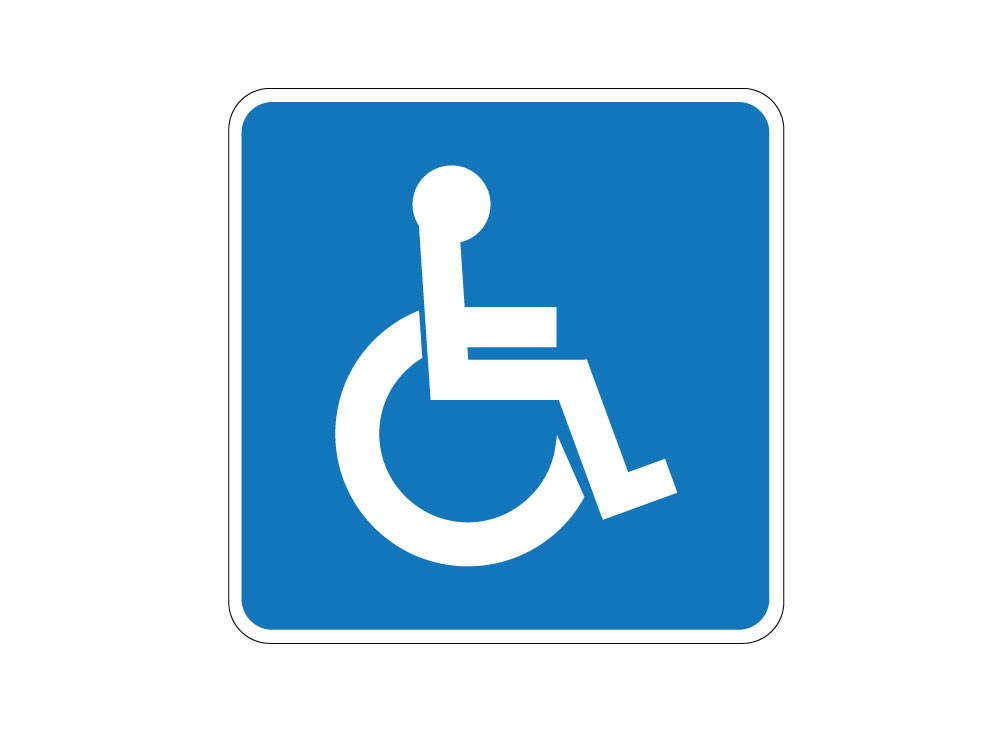
- 1.Parking is allowed for unloading passengers only
- 2.Parking is for drivers who have a letter from their physician
- 3.Parking is for disabled persons with a placard or special plates
If a car ahead of you has stopped at a crosswalk, you should:
- 1.Slow down, look both ways, and proceed
- 2.Drive to the right edge of the road and stop
- 3.Change lanes, look carefully, and pass
- 4.Stop and then proceed when safe
What is the only effective way to reduce your blood alcohol content (bac)?
- 1.Taking a cold shower
- 2.Allowing your body time to get rid of alcohol
- 3.Exercising
- 4.Drinking coffee
If you are approaching a railroad crossing with red flashing lights, you must:
- 1.Slow down before crossing
- 2.Stop only if you see a train coming
- 3.Stop and don't proceed until the red lights stop flashing
A red arrow pointing to the right on a traffic light means you may:
- 1.Turn right after slowing and checking traffic
- 2.Not turn right until the light turns green
- 3.Turn right after you have come to a complete stop
On average, the human body can dispose of the alcohol in 12 ounces of beer in about:
- 1.One hour
- 2.One day
- 3.Five minutes
- 4.Five hours
You are in a truck's blind spot if:
- 1.You follow no closer than 12 ft
- 2.You stay close to the vehicle's left front wheel
- 3.You can't see the truck driver in his or her side mirror
Tailgating other drivers:
- 1.Reduces accidents by preventing you from being cut off
- 2.Can frustrate other drivers and make them angry
- 3.Cannot result in a traffic citation
Who has the right-of-way at an inersection with no crosswalks?
- 1.Pedestrians, but only with the green walk signal
- 2.Vehicles, but they should slow down and be careful
- 3.Pedestrians always have the right-of-way
Which of the following is true regarding safety belts?
- 1.Most likely you will drown if your seatbelt is on when your car goes into a lake or river
- 2.They keep you from being thrown clear to safety, which lowers your chances of surviving accidents
- 3.They increase your chances of survival in most types of accidents
When you want to pass a large truck in the center of three lanes, it's best to pass:
- 1.Very quickly on the right and move ahead of it
- 2.Quickly on the left and move ahead of it
- 3.Very slowly on the left and move ahead of it