Drinking coffee after drinking alcohol:
- 1.Decreases blood alcohol content
- 2.Has no effect on blood alcohol content
- 3.Increases blood alcohol content
- 4.Cancels the effect of the alcohol
When driving near road construction zone, you should:
- 1.Slow down to watch the construction as you pass
- 2.Pass the construction zone carefully and avoid rubbernecking
- 3.Step on your brakes just before you pass the construction zone
Seat belts properly worn will:
- 1.Keep you from moving your body
- 2.Reduce the risk of injury
- 3.Prevent accidents
What should you do if your accelerator sticks while you are driving?
- 1.Pump the accelerator and try to clear any obstruction
- 2.All choices are correct
- 3.Shift to neutral, brake and stop off of the road; turn on flashers
- 4.Concentrate on steering and seeing the road
If you are driving and finding it hard to stay awake, you should:
- 1.Pull off the road, park, remove your ignition key and rest
- 2.Drink plenty of black coffee
- 3.Open your windows
If your brake pedal suddenly sinks to the floor, you should first:
- 1.Shift into neutral and shut the engine off
- 2.Apply the parking brake hard to stop the car
- 3.Try to pump it to build up the pressure
- 4.Try to raise it by hooking your toe under it
When the road has solid yellow line with a broken yellow line on your side, you may pass:
- 1.If traffic is clear
- 2.Only at an intersection
- 3.Only in an emergency
- 4.If you are on an expressway
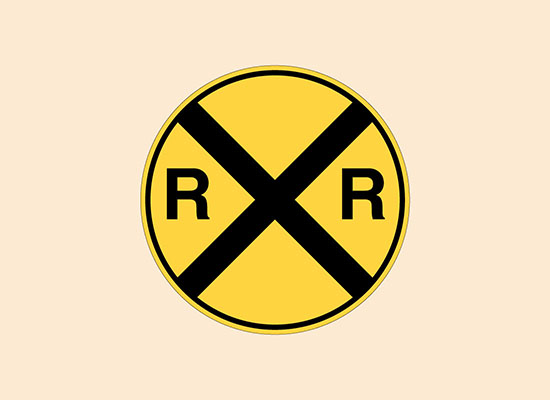
- 1.An intersection
- 2.A blasting zone
- 3.A crosswalk
- 4.A railroad crossing
- 1.The vehicle on the right goes first
- 2.Make a complete stop before turning
- 3.Let other traffic go first
- 4.You have the right-of-way
In a parking space reserved for people with disabilities, a non-disabled driver:
- 1.May not park, but stop in an emergency
- 2.May not park or stop, but may stand in an emergency
- 3.May not park, stop nor stand
- 4.May park in an emergency
Where should you stop your vehicle when there is no limit line?
- 1.Twenty feet before the intersection
- 2.At the corner
- 3.Just past the corner
Use your high-beam headlights at night:
- 1.As little as possible
- 2.Whenever it is legal and safe
- 3.Only on dark streets
If you see children playing nearby, before backing out of your driveway, you should:
- 1.Tell the children to stay away from the driveway
- 2.Walk to the back of the car to be sure the way is clear
- 3.Race your motor to warn the children that you are moving
- 4.Sound your horn so the children will hear you
Motorists should be aware that all bicycles used after dark must have:
- 1.A front headlight and red taillight
- 2.Brake lights
- 3.White reflectors on the front and rear fenders
- 4.Reflective handlebar grips
You may cross a single solid white line in the highway:
- 1.If traffic conditions require
- 2.Whenever you want to
- 3.Only to make a u-turn
- 4.Only to turn into a driveway
When you hear the siren or see the flashing red light of a closely approaching emergency vehicle, and you are not in the intersection, you should:
- 1.Speed up so that you can stay ahead of it
- 2.Drive slowly in the right lane until it has passed
- 3.Drive to the right edge of the road and stop
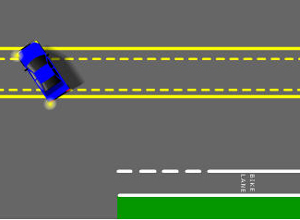
- 1.May turn into this lane before merging into regular traffic
- 2.Must use this lane before merging into regular traffic
- 3.May not turn into this lane while making your left turn
Which of the following is true of slippery roads?
- 1.Wet leaves cause slipping, and wet ice is slicker than ice alone
- 2.Shaded areas may have hidden ice spots that freeze first/dry last
- 3.Bridges and overpasses usually freeze before roads do
- 4.All choices are correct
What is the best advice for driving when heavy fog, dust, or precipitation occurs?
- 1.Alternate your low and high-beams to improve your vision
- 2.Try not to drive until conditions improve
- 3.Do not drive too slowly because other drivers may hit you
Accidents are more likely to happen:
- 1.On city streets during rush-hour traffic
- 2.On bridges and overpasses
- 3.When one driver is traveling faster or slower than other drivers on the road
- 4.On multi-lane freeways